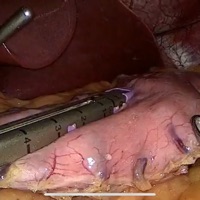
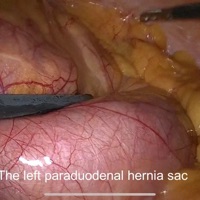
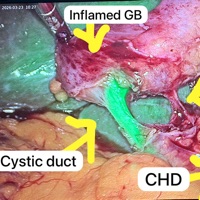
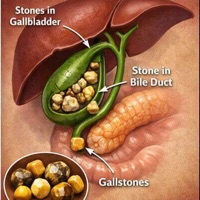
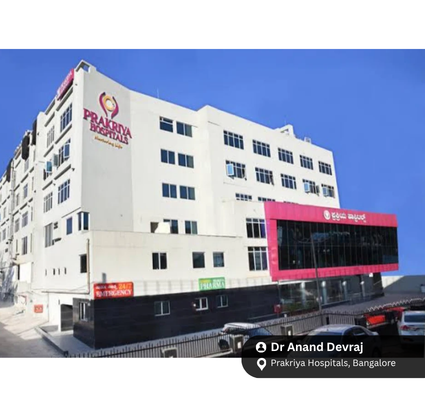
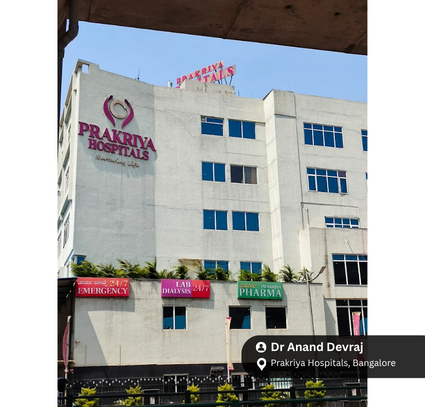
Redefining Gastrointestinal & HPB Care with Precision and Compassion

About Us
Dr. Anand Devraj is a dedicated Surgical Gastroenterologist and HPB Surgeon committed to delivering safe, precise, and patient-centered gastrointestinal care. His vision is to provide modern, minimally invasive, and oncologically sound surgical treatment that improves long-term outcomes while ensuring comfort, clarity, and confidence for every patient. He believes that gastrointestinal and hepatopancreatobiliary diseases require not only technical expertise but also compassionate communication, careful planning, and individualized treatment pathways.

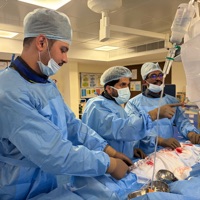
Dr. Anand’s clinical expertise spans GI and colorectal cancer surgery, pancreas and liver surgery, biliary surgery with ICG technology, advanced laparoscopic and robotic procedures, complex hernia repair, and management of GI emergencies. Trained at premier centers including Sakra World Hospital & Apollo Proton Cancer Centre he combines high-end surgical skill with evidence-based decision-making.

His involvement with patients is deeply hands-on—beginning with thorough evaluation, clear explanation of diagnoses and treatment choices, and transparent discussions of risks, benefits, and expected recovery. Dr. Anand prioritizes surgical safety, postoperative comfort, early mobilization, and long-term follow-up to ensure durable, complication-free outcomes. He works collaboratively with oncology, radiology, gastroenterology, and critical care teams to deliver coordinated, comprehensive care tailored to each patient’s needs.

Our Healthcare Services

Comprehensive Gastrointestinal & HPB Surgical Care
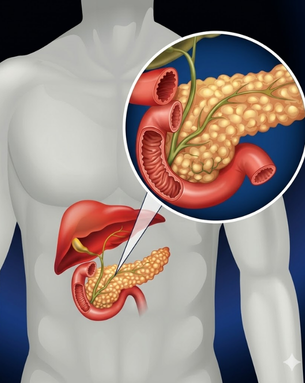
Comprehensive Gastrointestinal & HPB Surgical Care
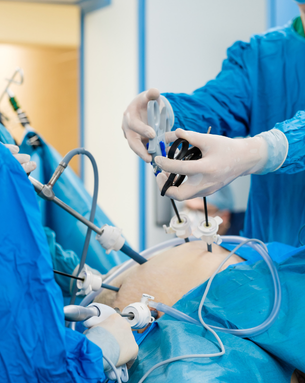
Hepato-Pancreato-Biliary (HPB) Surgery
Comprehensive Gastrointestinal & HPB Surgical Care
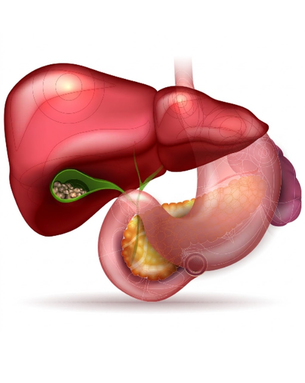
Minimally Invasive & Robotic Surgery
Comprehensive Gastrointestinal & HPB Surgical Care
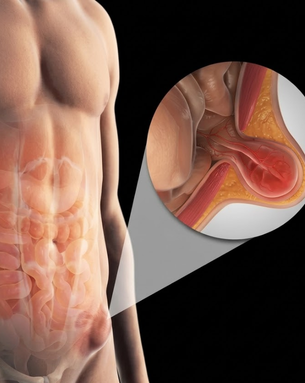
Gallbladder & Biliary Disorders
Comprehensive Gastrointestinal & HPB Surgical Care
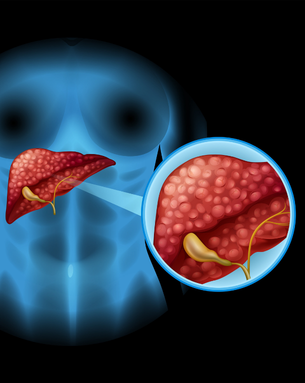
Hernia & Abdominal Wall Reconstruction
Comprehensive Gastrointestinal & HPB Surgical Care
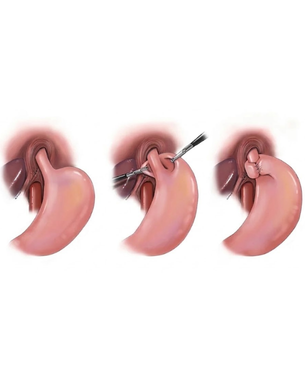
Liver & Pancreatic Disorders
Comprehensive Gastrointestinal & HPB Surgical Care
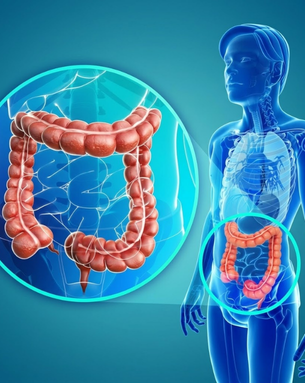
Oesophageal Surgery
Comprehensive Gastrointestinal & HPB Surgical Care
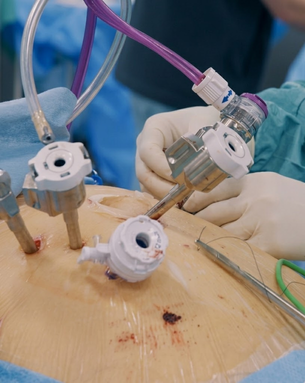
Gastrointestinal & Colorectal Surgery
Comprehensive Gastrointestinal & HPB Surgical Care
Advanced Gastrointestinal & Abdominal Procedures

Dr. Anand Devraj

Surgical Oncologist, HPB and GI Surgical Oncologist

Call
Video Call
In person
Dr. Anand Devraj
Qualification:MBBS, MS (Gen Surgery), DrNB (Surgical Gastroenterology), Fellowship in endoscopy (EFIAGES), Fellowship in Minimal Access Surgery (FMAS), Fellowship in Robotic Surgery – IAGES
Experience:5.0 Years
Licence No.:KMC-105816
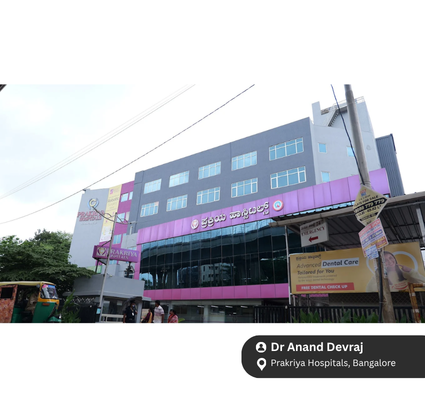
Dr. Anand Devraj is a highly skilled Surgical Gastroenterologist and HPB Surgeon with expertise in hepatopancreatobiliary diseases, colorectal disorders, GI oncology, and complex hernia surgery. He has trained at leading centres, including Sakra World Hospital, Bangalore, where he completed his DrNB in Surgical Gastroenterology and Liver Transplantation. During this time, he gained extensive experience in advanced GI surgeries, including liver resections, pancreatic procedures, and transplant workflows. He further worked at Apollo Proton Cancer Centre, Chennai, where he contributed to colorectal surgeries as part of the renowned Apollo Rectal Cancer (ARC) Program, with exposure to multidisciplinary cancer care. Currently, he serves as a Consultant at Prakriya Hospitals, Bangalore, managing a wide spectrum of GI and HPB conditions using laparoscopic, open, and robotic techniques. He has published in the Indian Journal of Surgery and presented at national and international conferences. Known for precision, patient-focused care, and oncologic safety, he is committed to delivering consistently high-quality surgical outcomes.

Testimonials

What our Patients says about us

I had a very positive experience with Dr Anand Devraj during my mother’s gallbladder removal surgery. From the very first consultation, he was very patient, attentive, and took the time to clearly explain the procedure, risks, and recovery process. This really helped ease my anxiety. On the day of the surgery, everything was handled professionally and smoothly. The surgeon and their team made my mom feel safe and well cared for. Post-surgery, they continued to be supportive, checking in regularly and addressing all the concerns with kindness and reassurance.

Shailesh Pai

Good consultation, well experience Dr. Thank u sir for treating Siddamma, now she is recovering.

Sowmya gowda

Dr Anand sir is good doctor explained all procedures before surgery and I appreciate their good work and thanks for the same

Pratibha Koppal

Updates

Stay informed with our latest updates, posts, announcements, and healthcare news
Update

ICG (indocyanine green) is a safe dye used during laparoscop...See More

Update

Gallstones are common and may cause no symptoms. When they d...See More

Update

An extremely rare Bleed, A Precise Save An extremely rare ...See More

Update

A patient presented with bleeding and was found to have an ...See More

Media Pictures

media
media
media
media
media
media
media
media

Frequently Asked Questions

Need Answers? Find them here...

A Surgical Gastroenterologist specialises in diagnosing and surgically treating diseases of the digestive system, including the liver, pancreas, gallbladder, intestines, and bile ducts. Common conditions include gallstones, hernias, acid reflux, pancreatitis, liver tumors, colorectal disorders, and gastrointestinal cancers. Unlike general treatment, these conditions often require advanced surgical care using laparoscopic, robotic, or open techniques. The goal is not only to remove disease but also to restore normal digestive function. Early consultation helps in timely diagnosis and prevents complications, especially in complex conditions involving the liver, pancreas, or gastrointestinal tract.

HPB (Hepato-Pancreato-Biliary) surgery focuses on diseases of the liver, pancreas, and bile ducts—organs that play a key role in digestion and metabolism. This includes treatment of liver tumors, pancreatic cancer, gallbladder diseases, bile duct obstruction, and cysts. These conditions often require highly specialised surgical techniques due to the complexity of these organs. Procedures may include liver resection, pancreatic surgery (like the Whipple procedure), and bile duct reconstruction. HPB surgery is usually performed by trained specialists using advanced technology to ensure precision, safety, and improved outcomes in both benign and cancer-related conditions.

Gallbladder surgery, commonly known as laparoscopic cholecystectomy, is required when gallstones cause symptoms such as abdominal pain, bloating, nausea, or infection. It is also recommended in cases of acute or chronic cholecystitis, bile duct blockage, or complications like pancreatitis. While some gallstones may remain silent, symptomatic cases should not be ignored, as they can lead to serious complications. Laparoscopic surgery is the preferred method as it involves small incisions, less pain, and faster recovery. Early surgical intervention ensures relief from symptoms and prevents recurrence or emergency situations related to gallbladder disease.

A hernia typically presents as a visible bulge in the abdomen or groin, which may increase in size while coughing, lifting, or straining. Patients often experience discomfort, heaviness, or pain, especially after physical activity. In some cases, hernias may remain painless initially but can gradually worsen. Warning signs include persistent pain, redness, or inability to push the bulge back, which may indicate complications like obstruction or strangulation. Early evaluation is important to avoid emergency situations. Surgical repair is the only definitive treatment and helps restore the strength of the abdominal wall effectively.

Laparoscopic surgery is a minimally invasive technique performed through small incisions using a camera and specialised instruments. Compared to open surgery, it offers several advantages such as reduced pain, minimal blood loss, shorter hospital stay, and faster recovery. It also results in smaller scars and lower risk of infection. However, open surgery may still be required in complex cases, large tumors, or when previous surgeries make minimally invasive approaches difficult. The choice depends on the patient’s condition and surgical complexity. A skilled surgeon will recommend the most appropriate approach for safe and effective outcomes.

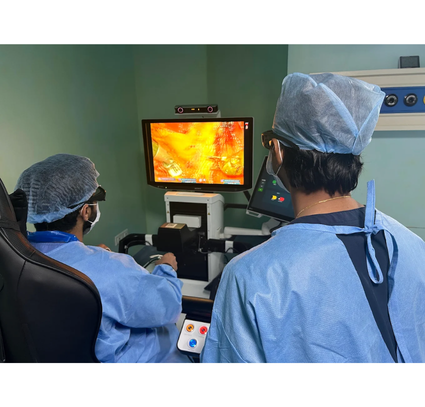
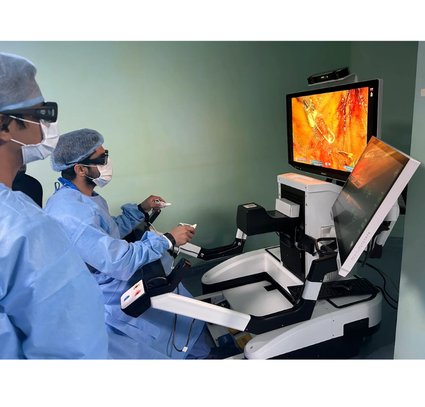
Robotic surgery is an advanced form of minimally invasive surgery where the surgeon uses a robotic system to perform precise movements with enhanced control and 3D visualisation. It is especially useful in complex gastrointestinal, colorectal, and hepatobiliary surgeries. Robotic systems allow better access to difficult areas and improve surgical accuracy. The procedure is safe when performed by trained specialists and offers benefits such as reduced pain, minimal scarring, and quicker recovery. It is increasingly used in modern surgical practice to improve patient outcomes while maintaining high standards of safety and precision.

The pancreas can be affected by several conditions, including acute and chronic pancreatitis, pancreatic cysts, and pancreatic cancer. Pancreatitis often causes severe abdominal pain, nausea, and digestive issues, while tumors may present with weight loss, jaundice, or vague discomfort. Some conditions may remain silent until advanced stages, making early diagnosis important. Treatment depends on the severity and type of condition and may involve medication, endoscopic procedures, or surgery such as pancreatic resection. Timely intervention by a specialist ensures better outcomes and helps prevent complications related to pancreatic disorders.

Early signs of gastrointestinal cancer may be subtle and often overlooked. Common symptoms include unexplained weight loss, persistent abdominal pain, changes in bowel habits, blood in stool, prolonged acidity, or difficulty swallowing. Some patients may also experience fatigue or loss of appetite. These symptoms do not always indicate cancer but should not be ignored if persistent. Early detection plays a crucial role in improving treatment success and survival rates. Screening, timely evaluation, and consultation with a specialist are essential, especially for individuals with risk factors or a family history of gastrointestinal cancers.

Bile duct conditions such as obstruction, strictures, stones, or injury can disrupt the normal flow of bile and lead to symptoms like jaundice, abdominal pain, and infection. Treatment depends on the underlying cause and severity. Diagnostic tests such as imaging and blood work help identify the issue. Management may include endoscopic procedures to remove stones or relieve blockage, and in more complex cases, surgical interventions like bile duct reconstruction. Early treatment is important to prevent complications such as infection or liver damage. A specialised approach ensures restoration of normal bile flow and long-term relief.

Recovery after hernia surgery depends on the type of repair performed. In laparoscopic hernia surgery, most patients can return to light activities within a few days and resume normal routines within 1–2 weeks. Open surgery or complex hernia repairs may require a longer recovery period. Patients are advised to avoid heavy lifting and strenuous activities for a few weeks to allow proper healing. Following post-operative instructions and attending follow-up visits are essential for smooth recovery. With modern techniques, most patients experience minimal discomfort and a low risk of recurrence after successful hernia repair.

Acid reflux and ulcers are often managed with medication, but persistent or severe symptoms may require surgical evaluation. If a patient experiences long-standing heartburn, difficulty swallowing, recurrent vomiting, or complications like bleeding or strictures, it is important to consult a GI surgeon. Conditions like GERD that do not respond to medical therapy may benefit from surgical procedures for long-term relief. Early consultation helps prevent complications and ensures appropriate treatment. A specialist can evaluate the condition thoroughly and recommend whether surgery is necessary based on severity and response to treatment.

Location & Location Map

No location data available for this clinic.

  • Social Media Connect:

Working Hours

MONDAY9:00 AM - 5:00 PM
MONDAY5:00 PM - 8:00 PM
TUESDAY9:00 AM - 5:00 PM
TUESDAY5:00 PM - 8:00 PM
WEDNESDAY9:00 AM - 5:00 PM
WEDNESDAY5:00 PM - 8:00 PM
THURSDAY9:00 AM - 5:00 PM
THURSDAY5:00 PM - 8:00 PM
FRIDAY9:00 AM - 5:00 PM
FRIDAY5:00 PM - 8:00 PM
SATURDAY9:00 AM - 5:00 PM
SATURDAY5:00 PM - 8:00 PM

Contact Us

Contact Us

  • Email: anandgowdahd@gmail.com
  • Phone: 9307206956

Social Media connect:

Website Powered by icareheal

© Dr. Anand Devraj 2025